Italian olive oil belongs, in most people's heads, to Tuscany or Puglia. Garda gets left out because it doesn't fit the picture: too far north, too close to the Alps, too dominated by wine. And yet the southern shore — a strip of low hills from Salò down through Padenghe and Sirmione — is the most northerly serious olive region in the world. We have a DOP, three named sub-zones, our own dominant cultivar, and a six-week pressing season that produces oil with a character you cannot find anywhere else in Italy.
Why Garda grows olives at all
You don't expect olive trees this far north. Garda sits at almost forty-six degrees latitude — the same line as Lyon. What makes it possible is the lake itself, which holds heat through autumn like a stone wall, while a prevailing southerly breeze pushes that warmth up against a curtain of low Alpine foothills along the western and northern rim. Result: a microclimate two or three degrees warmer in winter than the surrounding plain. Lemons grew in Limone, on the far north end, well into the twentieth century; olives have grown around the southern arc since Roman times.
Trees here are smaller and slower-growing than their southern cousins. Yields are lower — sometimes as little as eight to twelve litres of oil per hundred kilos of fruit, against fifteen to eighteen for a Pugliese press. That low yield is part of why a litre of Garda DOP costs what it does.
The cultivars: Casaliva and the rest
Three or four varieties dominate the south shore. A quick understanding of them is the difference between drinking Garda DOP and tasting it.
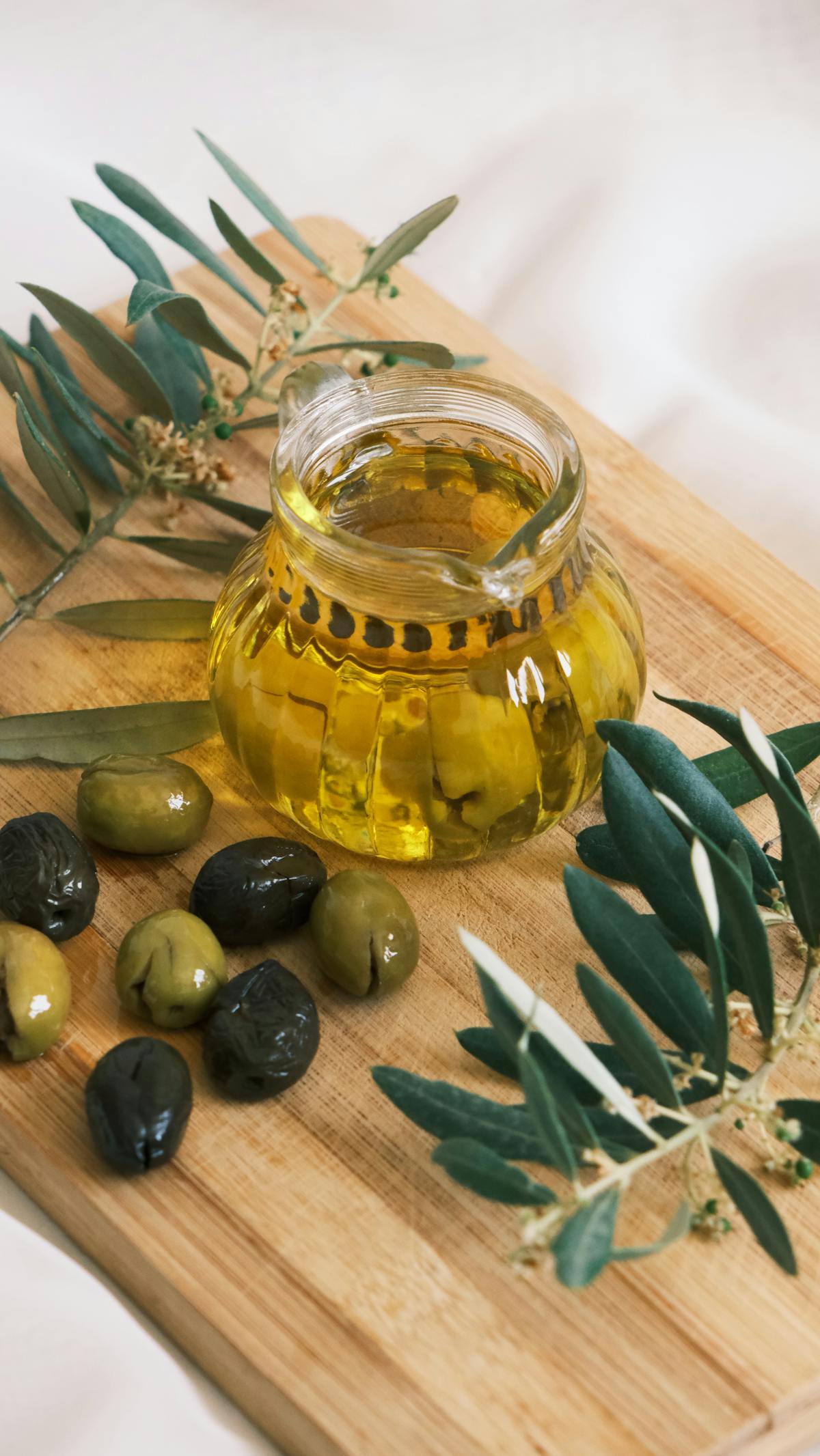
Casaliva is the local star — endemic to Garda, planted nowhere else of consequence in Italy. Pale gold tipping into green, with a distinctive lemon-grass nose, almond finish, and soft, low-pungency bitterness that sits on the back of the tongue. About sixty to seventy per cent of southern Garda groves are Casaliva-majority.
Leccino is the second pillar — softer and rounder, often planted alongside Casaliva to balance its sharper edges. On its own, buttery and almost forgettable; in a blend, it adds body without competing.
Pendolino is the pollinator, planted because Casaliva needs cross-pollination to fruit reliably. A grove without Pendolino trees produces less. Frantoio shows up in smaller inland plantings — peppery, closer to a Tuscan style.
| Cultivar | Character | Typical price (500 ml) |
|---|---|---|
| Casaliva (monocultivar) | Lemon-grass nose, almond finish, mild bitter | €18–28 |
| Garda DOP blend | Casaliva + Leccino + Pendolino, balanced | €12–20 |
| Leccino (monocultivar) | Buttery, soft, gentle | €12–18 |
| Frantoio (rare here) | Peppery, Tuscan-style | €14–20 |
The DOP and its three sub-zones
Garda DOP is regulated by the Consorzio Tutela Olio Garda DOP, which sets standards on cultivar mix, acidity (max 0.5 per cent), and bottling. Three sub-zones:
- Bresciano — south-west shore: Padenghe, Sirmione hinterland, Polpenazze, Puegnago. Where most of what southern visitors taste comes from.
- Orientale — east shore: Caprino Veronese, Bardolino, Affi. Slightly more pungent style.
- Trentino — north end, around Riva and Arco. Cooler, even more delicate.
Bottles labelled Garda DOP without a sub-zone are blends. A bottle marked Garda DOP Bresciano tells you the oil came specifically from the south-west.
The pressing season — six weeks in late autumn
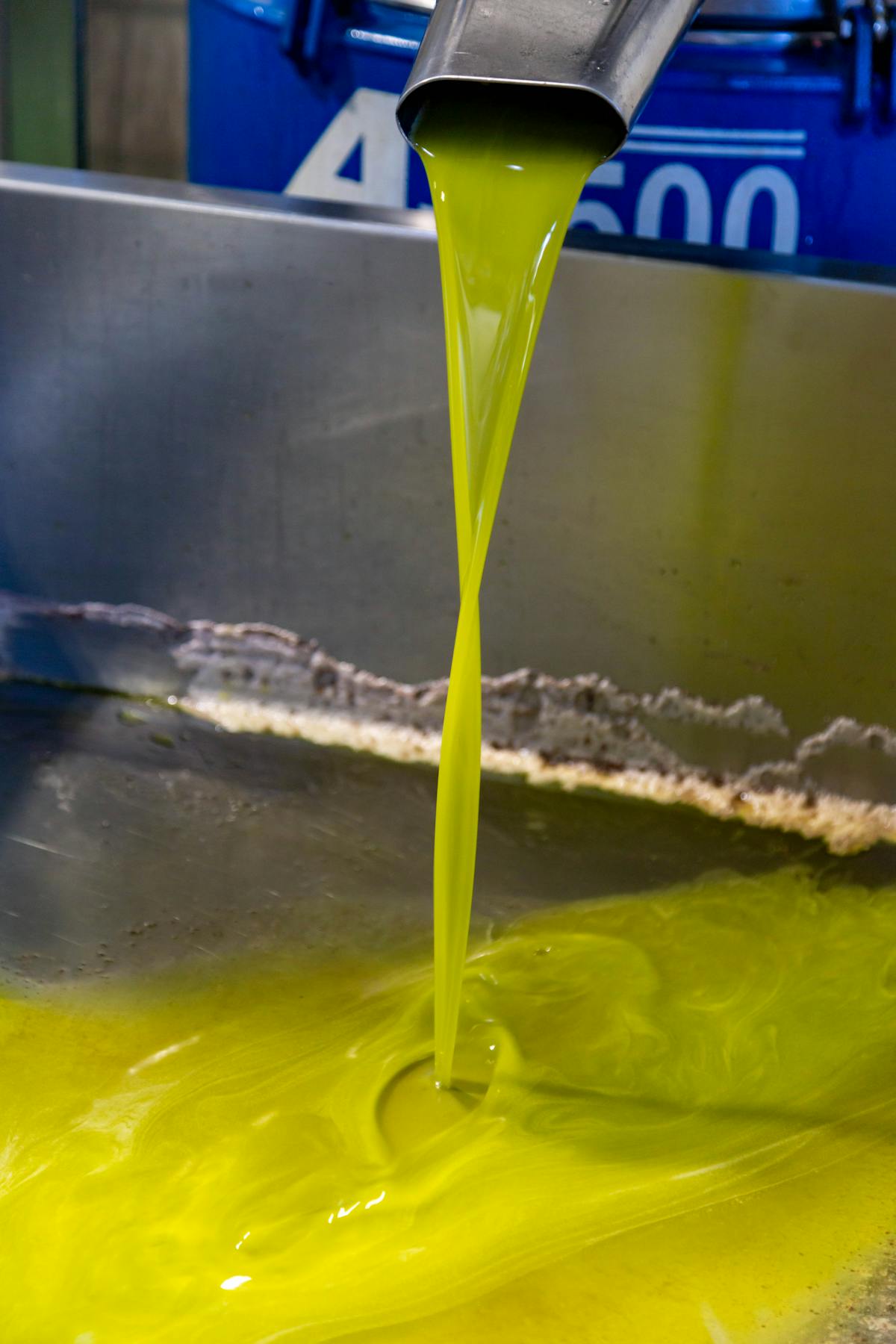
Pressing runs from the third week of October to early December. Mills work twelve hours a day during the season; the rest of the year, they're on appointment only. November is the right time to see the process — green olives moving up a conveyor, leaves blown off, fruit washed and crushed by stone wheel or hammer mill, paste kneaded (the gramolatura) before centrifugation separates oil from water.
Visiting a frantoio in season
Most mills welcome visitors during pressing but ask you to call ahead — Italian phone works best, English emails get answered. Wear closed shoes (the floor gets oily). Bring cash for the in-house shop. Tastings are usually free if you intend to buy. Midweek mornings are quieter and the staff have more time to explain.
I'd been to Frantoio Manestrini in Padenghe a few times for tastings, but my first November there was a different thing entirely. A queue of small farmers waited at the back door to weigh in their crates, the air had a sharp herbal smell halfway between green tomato leaf and cut grass, and a thread of warm, cloudy-green oil was running into a stainless tank. They handed me a bowl of it and a piece of toast off a grill. Olive oil, twenty minutes off the press, on warm bread. That bowl is why I now keep three bottles in my kitchen at all times.
How to taste it
Proper olive-oil tasting follows a method that sounds slightly absurd until you do it, and then makes immediate sense. Pour about a tablespoon into a small glass. Cup the glass in one hand and cover it with the other to warm the oil briefly. Smell first — look for green grass, almonds, fresh tomato leaf, sometimes apple. Then sip a small amount, hold it on your tongue for a few seconds while drawing air sharply through your teeth (the noise is part of it), and swallow. Pungency hits the back of the throat afterwards as a slight peppery tingle; bitterness sits on the middle of the tongue.
Garda oils, compared to a Tuscan or Pugliese, are quieter on both pungency and bitterness. They show their quality on the nose — that lemon-grass and almond — rather than in the throat. Tasting one against a Tuscan side-by-side is the easiest way to learn the difference.
Where to taste — and what to pay
Four mills on the south shore are worth knowing:
- Frantoio Manestrini, Soiano / Padenghe — most welcoming for first-timers; tastings by appointment.
- Comincioli, Puegnago — slow-food network, biodynamic methods, distinctive bottles.
- Frantoio Bonamini, Caprino Veronese — east-shore reference with a broader range of monocultivars.
- Cooperativa Olivicoltori del Lago di Garda — producers' cooperative, a good entry-level Garda DOP.
Bottle prices: half-litre of Garda DOP runs €15–25, monocultivar Casaliva €18–28, high-end estate-bottled Casaliva can reach €40 or more. Anything labelled "Garda" but not Garda DOP, sold below €10, isn't worth your suitcase weight.
Cooking with it (and what not to do)
Garda oil is a finishing oil — it belongs at the end of a dish, not at the start. Drizzled on a thick minestrone, on grilled lake fish, on toasted bread with a slice of tomato, on warm white beans with flakes of salt — that's where it earns its price. Frying with it is a waste; the volatile compounds that give the oil its lemon-grass nose burn off above 180 °C, and you've spent twenty euros on something that now tastes like generic supermarket oil.
For frying or roasting, use a cheaper, sturdier oil — a generic Italian extra virgin from a Pugliese cooperative is fine. Reserve the Casaliva for the moment just before the dish goes on the table.
For the south lake's wine geography, see the Lugana wine entry; for a slow day on the moraine hills, see the Padenghe walking guide. Slow Food Italy publishes producer profiles in Italian; Olive Oil Times tracks vintage reports in English.
If you can plan a south Garda trip around early November, do. You'll see trees being shaken, smell the mills working, and taste oil at the moment of its life when it's brightest and most fragile. By February, when the bottles in my pantry are four months old, the lemon-grass note is already softening. Still good. But that November bowl with toast is the dish that fixed Garda oil in my head as something worth writing about.